Power & Industrial Plant Engineering is one of the most challenging and fulfilling types of projects an engineer may encounter during his/her career lifetime. After school, I was fortunate to be a part of a design engineering company in the Philippines.
During my stay in the company, I was involved in various engineering projects that are to be constructed in Europe, Singapore, and Denmark. I was given the chance to work with great people both from the Philippines and abroad. Also, I was able to work with projects that require great talent in using design software that is not taught in school.
After almost 4 years of working as a piping design engineer, I was able to accumulate knowledge and skills that are too valuable not to share. That is why I decided to start a free online course for piping design here in LinkedIn that may serve as an introductory course in piping engineering for aspiring engineers.
In this course, I will be sharing all the techniques and methods that I have learned in the execution of the design of any piping systems. Also, as an aspiring leader and entrepreneur, I will be including my insights on how to be a more productive team player and how to achieve maximum efficiency through great leadership.

All of the content of this course is from my 4 years of experience working with engineers from the Philippines, Japan, and Denmark. The goal of this course is to give the student or the reader an overall knowledge in piping design as well as advanced techniques and methods both in the technical and leadership aspect of an engineering project.
Piping Design
The ultimate goal of any piping design projects is to open the way for the construction team to materialize the plans of creating an engineering piping system by developing construction drawings. Construction drawings are presented in the form of 2D drawings like pipe isometric drawings, civil structural drawings, plot-plans, equipment layouts and pipe support fabrication drawings.
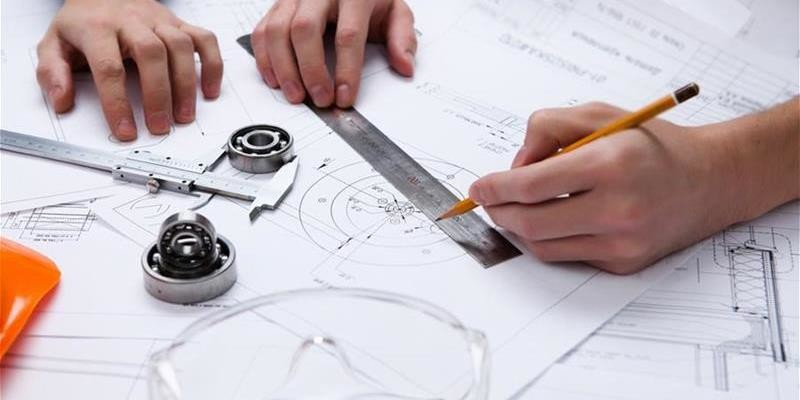
Before computer-aided design took the center stage in engineering construction, engineers and draftsman manually draft construction drawing. The introduction of computer-aided design systems made the engineering stage of a project faster and less prone to errors.
The most common of these computer-aided design tools is the AutoCAD by Autodesk. AutoCAD dominated the computer-aided drafting software industry but was not necessarily the most convenient and useful system for every project.
In the plant design engineering industry, PDMS and SP3D are the two highly recognized tools in the overall design of power and industrial plants. These software or systems were specially created for the design engineering team to produce construction documents. Computer-aided design software like AutoCAD, SP3D & PDMS offers many techniques and method to make the design execution faster and with fewer errors.

Piping Design is not restricted to pipeline system only. Piping Design or Piping Engineering involves multiple activities such as,
Equipment Layout – The arrangement of process and utility equipment based on process requirements, cost reduction of piping systems, personnel safety concerns and many other engineering considerations for a given geographical area.
Civil Structure Loading Data – Structural systems that support both piping and equipment. The piping group is sometimes responsible for the design of these structures in the form of loading data that will be given to the civil group for the development of civil construction drawings.
Electrical & Instrumentation Layout – The electrical and instrumentation trays are also a critical consideration in designing piping systems along with the accessibility of control panels.
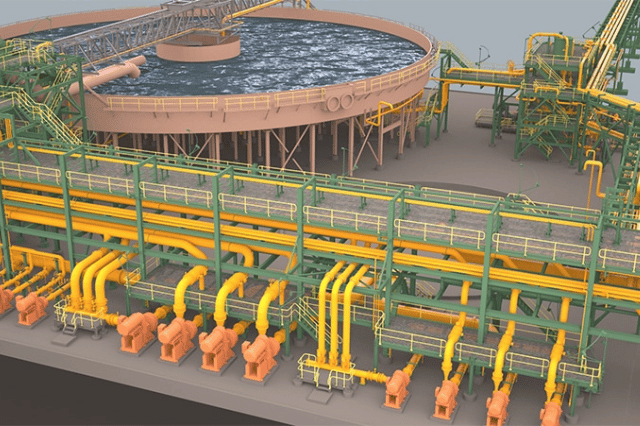
3D modeling plays an essential part in the design. One key role of 3D modeling is for model review purposes. During model reviews, a possible clash is corrected before the final revision of any documents involved are issued.
Other activities such as P&ID development are performed during the basic design stage, although revisions are done even during the detail design stage of the project. Majority of the topics under this course are focused on the detail design stage, but basic knowledge of engineering principles and materials will also be included in the topics ahead.

Typical piping engineering project may run from 4 to 24 months depending on its size or capacity. Usually, a group of 3 to 30 engineers is involved in the engineering stage. In later chapters, I will outline the hierarchy of a detail engineering group and its manpower development.
Although piping engineering projects are challenging, the existing systems and leadership practices make it easier for the project manager to execute the task. With the help of computer-aided design tools, the engineering team can now create construction drawings fast and with fewer mistakes.
Engineering Stages (BED, FEED & Detail Engineering)
Before construction, a project undergoes three major engineering stages. These are,
- Basic Engineering Design (BED)
- Front End Engineering Design (FEED)
- Detail Engineering

Basic Engineering Design (BED)
This is where the P&ID which is the most important document in plant engineering is being conceptualized. During this stage, conceptual process studies is being conducted (energy & material balance, process flow sheets, pressure & temperature ratings). All the data that are required for the specification of a system equipment are studied in BED.
Front End Engineering Design (FEED)
This is where the P&ID is being developed before giving it to the detail engineering group. Process and utility system are now visible to the P&ID. Plot plan & equipment layout is also being fixed during this stage. Major equipment like process equipment is now being fixed for the detail engineering to start the 3D model. All the necessary studies and decisions are being made here before ordering the equipment.
Detail Engineering
This is where important documents are being developed for the construction team. Using 3D models, the engineering team performs model reviews and extracts 2D drawings for construction purposes. Vendor drawings are being finalized to suit project requirements and policies. Before the detail engineering stage, documents like Piping Material Specification and Piping Standard drawings should be fixed to achieve uniformity throughout the project. The P&ID, which is the most important document for the detail engineering team should be around 90 to 95% fix. Any major revisions in the P&ID should be avoided during this stage of the project.
In the later chapters, you will able to determine what documents are being created during the detail engineering stage and how it was developed. Majority of the discussion of this course will focus on Piping Design, 3D design techniques and methods in order to create a construction drawing the construction group will understand to avoid trouble during the construction. I will also include engineering rule of thumbs and best practices in the design of the piping system.
Prod
Chapter Summary:
Common Piping Design Tools
- AutoCAD
- PDMS
- SP3D
Piping Design Activities
- Equipment Layout
- Civil Structure Loading Data
- Electrical & Instrumentation Layout
- Piping Design modeling
Engineering Stages
Basic Engineering Design (BED)
Front End Engineering Design (FEED)