In high-stakes manufacturing environments, there is no room for guesswork.
Tight deadlines. Zero tolerance for error. Food-grade compliance standards. Cross-functional coordination. Capital expenditures. Operational risk.
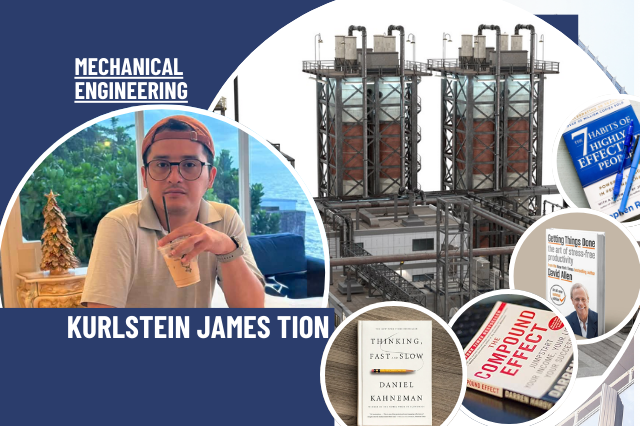
This is the world that Kurlstein James Tion, a Mechanical Engineer focused on Factory Improvement Projects, operates in every day.
Working inside demanding food-grade manufacturing plants, Kurlstein is responsible for designing and implementing engineering improvements that must be precise, compliant, and executed without disrupting production. His role requires balancing technical accuracy with speed, while managing stakeholders across operations, quality, safety, and leadership.
In an environment where delays cost money and mistakes cost trust, effectiveness is not optional — it’s expected.
So where does he sharpen his edge?
Books.
Kurlstein believes professional growth is not accidental. It is intentional. And the books below have helped him strengthen discipline, execution, clarity in decision-making, and mental resilience under pressure.
Here are the four he recommends.
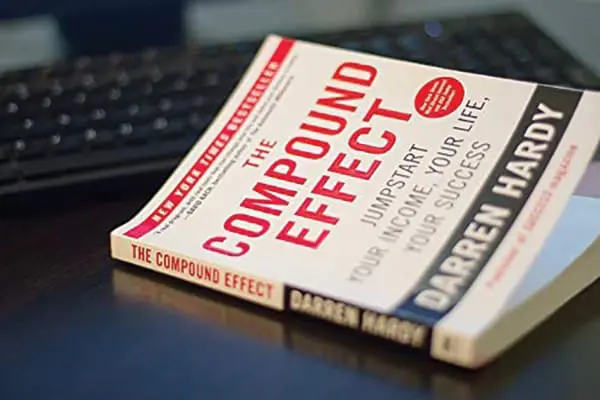
1. The Compound Effect by Darren Hardy
Core Idea: Small, consistent actions compound into significant long-term results.
Kurlstein’s takeaway is straightforward: excuses don’t build results — habits do.
Many professionals attribute underperformance to lack of education, experience, or intelligence. This book challenges that mindset. Progress comes from consistent, disciplined actions repeated daily.
In factory improvement projects, success rarely comes from one breakthrough idea. It comes from:
- Reviewing drawings carefully
- Following through on action items
- Conducting consistent site inspections
- Improving one process at a time
Small, correct decisions — made consistently — compound into reliable performance.
His philosophy: Do it now. Build the right habits. Let consistency create the advantage.
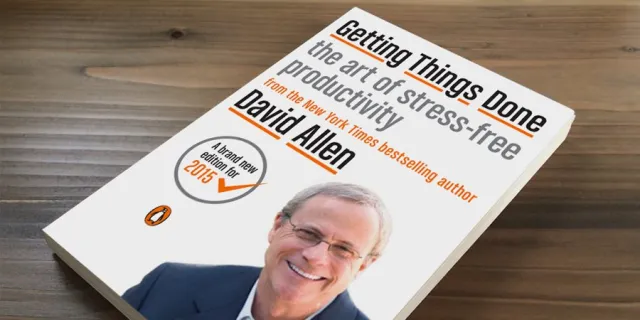
2. Getting Things Done by David Allen
Core Idea: Break overwhelming work into clear, manageable next actions.
High-stakes engineering projects can feel complex and heavy. Multiple stakeholders. Procurement delays. Design revisions. Compliance checks.
The risk? Analysis paralysis.
This book reinforces a practical truth: the secret to getting ahead is getting started. And the secret to getting started is breaking large tasks into small, executable steps.
Instead of focusing on the entire plant modification, focus on the next action:
- Finalize dimension verification
- Send vendor clarification
- Confirm material specifications
Clarity removes friction. Action builds momentum.
For Kurlstein, this framework helps him manage tight deadlines without feeling overwhelmed — and ensures nothing falls through the cracks.

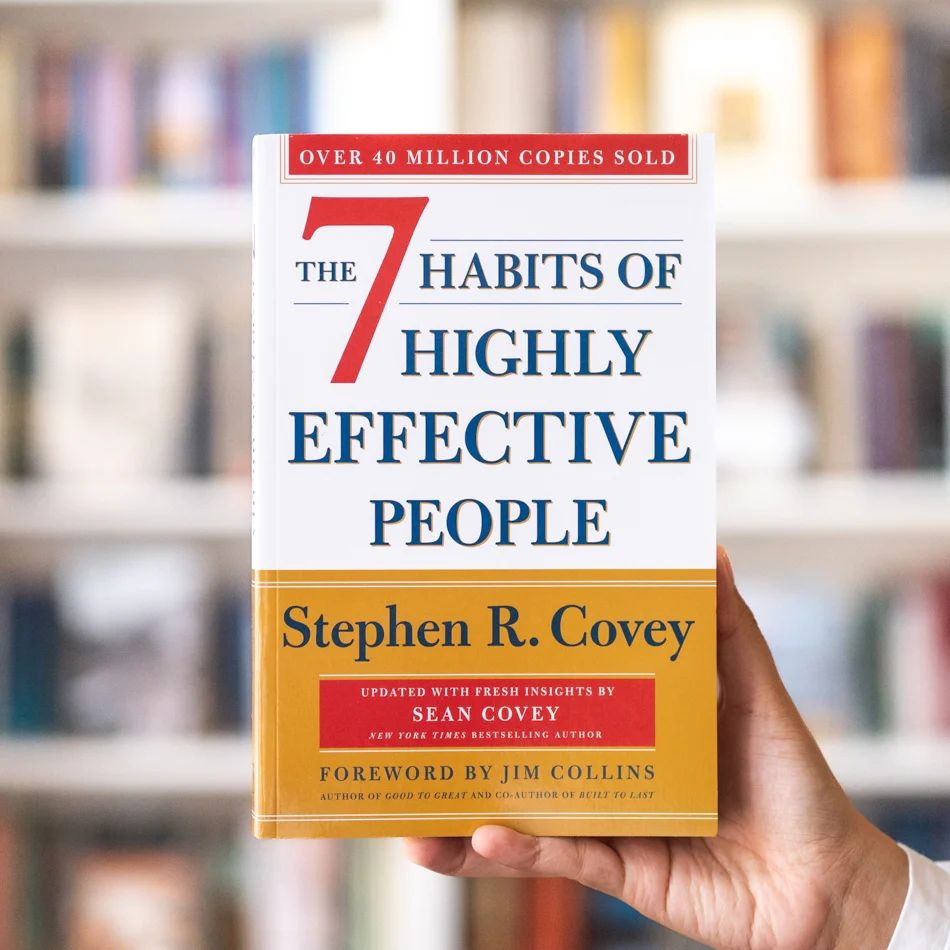
3. The 7 Habits of Highly Effective People by Stephen R. Covey
Highlighted Habit: Sharpen the Saw
Core Idea: Continuous self-renewal and reflection sustain long-term effectiveness.
Engineering excellence is not just about technical skill. It is about alignment.
Kurlstein values the habit of daily reflection — reviewing whether his actions align with project goals, timelines, and quality standards. If something is off, he adjusts early.
“The battle is won or lost before it begins.”
Preparation. Clarity. Proactive planning.
In factory environments, reactive decisions often create bigger downstream issues. Taking time to reflect prevents avoidable mistakes.
For him, sharpening the saw means:
- Reviewing project risks
- Checking stakeholder alignment
- Ensuring execution matches intent
It is disciplined self-management — not just task management.
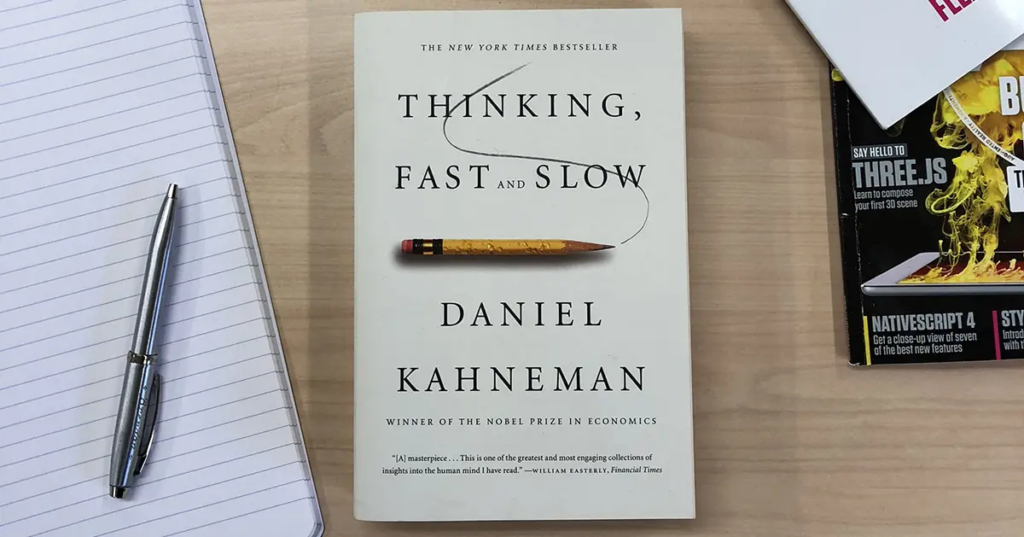
4. Thinking, Fast and Slow by Daniel Kahneman
Core Idea: We operate using two thinking systems — one fast and intuitive, one slow and analytical.
In high-pressure environments, decisions are often made quickly. The assumption? We fully understand the problem.
But as this book explains, that assumption can be wrong.
System 1 thinking is fast and automatic — useful for routine decisions.
System 2 thinking is slow and deliberate — necessary for complex engineering problems.
Kurlstein applies this insight when reviewing designs or troubleshooting plant issues. The first answer that comes to mind may not be the correct one.
Pause. Analyze. Validate assumptions.
In a food-grade manufacturing environment where precision matters, this distinction reduces costly errors and improves decision quality.
5. When: The Scientific Secrets of Perfect Timing by Daniel H. Pink
Core Idea: Timing matters as much as skill. Performance is deeply connected to energy, mood, and biological rhythms.
Kurlstein’s takeaway is practical:
Be aware of when you are at your peak — mentally, physically, and emotionally — and schedule your most critical work during that window.
Engineering projects in high-pressure manufacturing environments demand precision. Designing system improvements, validating specifications, or solving complex plant issues requires deep focus.
Not all hours of the day are equal.
This book emphasizes understanding your personal peak, trough, and recovery cycles. When you align demanding tasks with peak energy periods, you:
- Reduce mistakes
- Improve analytical quality
- Think more clearly under pressure
- Make better decisions
For Kurlstein, effectiveness is not just about working hard — it’s about working at the right time.
Managing energy is as important as managing tasks.
Final Thoughts: Discipline, Clarity, and Intentional Growth
Across all five books, a consistent theme emerges:
- Build disciplined habits.
- Break complexity into action.
- Reflect before reacting.
- Think deliberately when the stakes are high.
For Kurlstein James Tion, effectiveness in factory improvement projects is not accidental. It is the result of continuous personal development combined with technical expertise.
Engineering under pressure demands more than knowledge — it demands mindset, structure, and discipline.
And sometimes, the difference between average and exceptional performance starts with the right book.