The manufacturing sector is a cornerstone of the Philippine economy, contributing nearly 20% of GDP and employing millions in various industries (source: PSA, 2023). At its heart lies a critical need for skilled maintenance workers to ensure uninterrupted operations. Yet, a pressing issue threatens the sector’s efficiency: TESDA training programs often fail to produce graduates who are fully prepared for the demands of modern manufacturing.
TESDA, as the nation’s leading provider of technical education, holds significant responsibility for workforce development. However, its current curricula frequently fall short of equipping graduates with the technical and practical expertise needed in manufacturing maintenance and engineering roles.
Having worked extensively in hiring for skill-based manufacturing roles, I’ve repeatedly observed this gap firsthand. Many TESDA graduates enter the workforce lacking crucial technical skills, making them uncompetitive in environments where precision and efficiency are paramount. This article dives into the gaps in TESDA training, the broader impact on the industry, and practical steps to close this divide—offering a constructive path forward for one of the country’s most vital sectors.
Bridging the Practical Skills Gap: The Case for Focused Expertise
When hiring TESDA graduates, a recurring observation is their lack of practical skills. Training exercises are often limited in scope, leaving many graduates with minimal hands-on experience. While this gap is understandable given resource constraints, it is not insurmountable.
Mastering two to three core skills within each course could significantly impact early career success. For example:
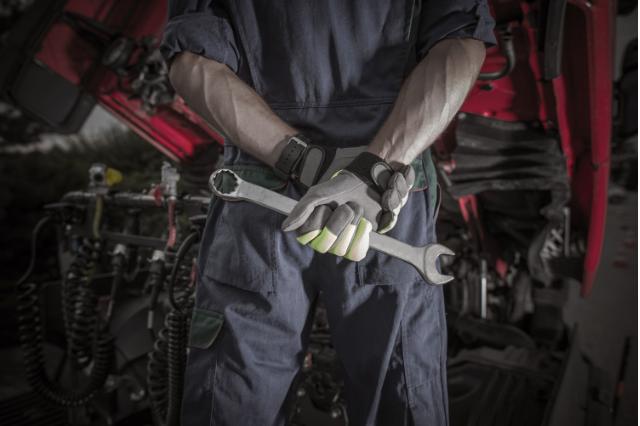
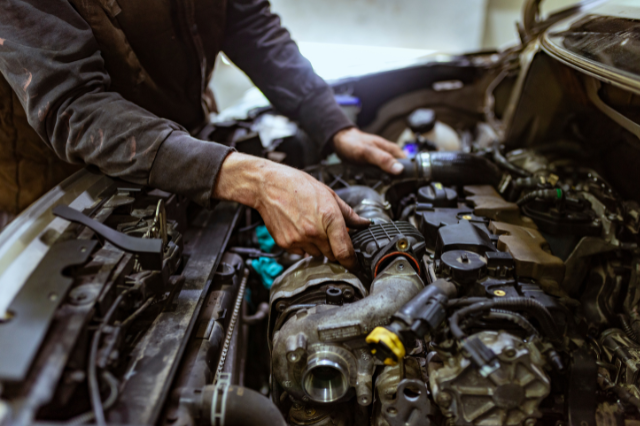
- Automotive Servicing students could focus on mastering engine diagnostics, preventive maintenance, and basic repair techniques.
- Electrical Installation and Maintenance students could specialize in circuit wiring, troubleshooting electrical systems, and equipment grounding.
By honing specific skill sets and providing repeated exposure through practical exercises, TESDA can create graduates who are job-ready and capable of adding value from day one. Depth, not breadth, should be the focus—ensuring learners leave with confidence in a few critical competencies rather than superficial knowledge across many areas.
Additionally, the difference between a good hire and a bad hire often boils down to personal motivation. Fresh graduates who are eager to learn and willing to get their hands dirty can often bridge skill gaps on the job, developing significantly within their first six months. This demonstrates that while curriculum improvements are crucial, fostering a mindset of continuous learning among students is equally essential.
The Importance of Reading and Interpreting Technical Documents
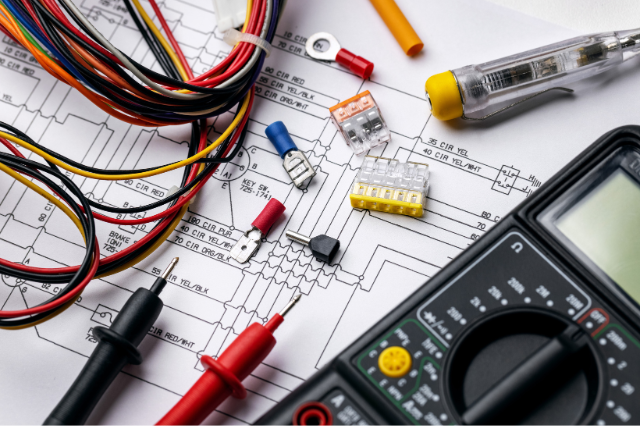
One key area often overlooked in TESDA training is the ability to read and interpret technical documents. In maintenance and engineering roles, workers must be able to understand manufacturer manuals, schematics, and equipment diagrams. Not only does it speed up the troubleshooting or installation process, but it also ensures that tasks are performed accurately and safely. Yet, many TESDA graduates lack this fundamental skill, which hampers their ability to add real value in their roles.
The ability to read and interpret technical documents is not just a “nice-to-have” skill—it’s essential. Failure to follow manufacturer specifications due to poor document interpretation can lead to improper repairs, equipment breakdowns, and, in the worst cases, safety hazards. This not only jeopardizes equipment performance but also increases risks for the workforce and operational downtime.
For supervisors and managers, this lack of technical literacy can create significant challenges in maintaining equipment standards and troubleshooting issues efficiently. However, building the skills to read and analyze technical documents DOES NOT require an engineering degree. It simply requires the willingness to engage with the material and a mindset of continuous learning.
To address this gap, TESDA could integrate document analysis into its curriculum, utilizing freely available engineering manuals, guides, and diagrams readily accessible online. By making this skill a core part of training, TESDA graduates would be equipped with a critical tool to enhance their contributions on the job.
Understanding the Science of Failure
To execute maintenance and installation tasks effectively, workers must first grasp the science of failure. This knowledge is essential for fostering critical thinking and problem-solving—skills that are necessary for diagnosing issues and preventing equipment breakdowns. Without this foundational understanding, technicians struggle to pinpoint why recurring issues persist or why specific guidelines in installation manuals must be followed to the letter.
Key concepts such as how materials react to heat, stress, and corrosion, as well as common failure modes like fatigue and wear, should be core elements of TESDA’s curricula. Without this scientific foundation, technicians often resort to guesswork rather than making informed decisions.
By equipping the technical workforce with this knowledge, they will be prepared to handle advanced, high-risk technologies with confidence. This is crucial in establishing the Philippines as an engineering powerhouse. Highly capable technicians are the backbone of innovation—without them, technological progress and industrial growth will be stunted.
While TESDA offers technical training, true competence in technical roles requires a deeper understanding of the science behind the task.
Familiarity with Common Engineering Components
Every engineering and maintenance worker should have a solid understanding of basic engineering components, including:
- Mechanical: Bearings, shafts, keys
- Electrical: Contacts, fuses
- Other Trades: Pneumatic cylinders, valves
These components are fundamental across engineering systems, yet many TESDA graduates lack familiarity with their functions or even their basic naming conventions. This knowledge gap severely impairs their ability to perform maintenance tasks effectively. I’m often surprised when TESDA graduates are unable to explain the functions of these essential components. This is a clear and pressing issue that needs immediate attention.
By ensuring that graduates are thoroughly familiar with these components, we can equip them with the foundational knowledge necessary for efficient maintenance and troubleshooting. This competency would enable them to tackle common issues confidently and improve their overall performance in the field.
Proposal: TESDA Must Research and Focus on Common Engineering Systems
One of the significant challenges in onboarding technical talent is the gap in knowledge regarding common engineering systems found in manufacturing environments. To effectively address this issue, TESDA (Technical Education and Skills Development Authority) should conduct thorough research to identify the most prevalent engineering systems in the Philippines, such as HVAC (Heating, Ventilation, and Air Conditioning) systems, conveyor systems, and programmable logic controllers (PLCs) used in automation. This research could serve as a foundation for developing a curriculum tailored to these systems.
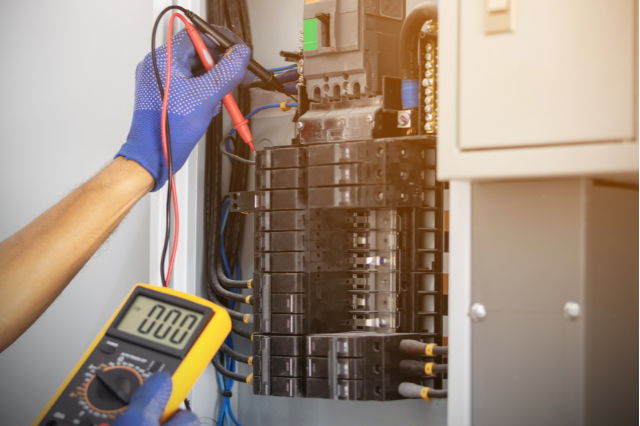
By aligning the curriculum with the engineering systems most commonly used in the industry, TESDA can introduce specialized subjects that focus on real-world applications. This approach ensures that graduates are well-prepared for the challenges they will encounter in the workplace, making them more adaptable and efficient in their roles.
Advantages:
- For Graduates:
Graduates will benefit from enhanced employability, gaining valuable, job-specific skills that make them ready for roles in high-demand industries. This practical knowledge will help them transition smoothly into the workforce. - For Employers:
Employers will experience reduced onboarding and training costs, as graduates will already have hands-on experience with the systems most relevant to their work environment. This leads to a faster and more efficient integration into the workforce, ultimately benefiting productivity and reducing the time spent on training.
To bridge these gaps, TESDA must:
- Revamp its curricula to include advanced practical exercises and theoretical knowledge.
- Prioritize technical document analysis as a core skill.
- Introduce lessons on failure science and common engineering components.
- Conduct research and tailor curricula to common engineering systems.
Conclusion
The manufacturing sector’s growth depends on skilled maintenance workers, yet TESDA’s current training programs fall short of preparing graduates for this vital role. By addressing these gaps and implementing targeted reforms, TESDA can empower the workforce to meet the demands of modern manufacturing—fueling progress for the industry and the nation alike.